EDUCATION
A Year in Claims: What 2025 Has Taught Us About Risk in Aesthetic Practice
The UK aesthetics sector continues to surge, with Aesthetic Medicine Magazine estimating the market will reach around £5.4 billion by 2026. This sustained growth is a positive sign for practitioners and clinic owners – but as the industry expands, so too does exposure to risk, complaints, and claims.
Alongside this upward trend, 2025 has brought stronger regulatory attention. In July, the government confirmed a forthcoming national licensing framework for aesthetic procedures, including a tiered system distinguishing higher-risk treatments from lower-risk ones. This signals a future where compliance, documentation and governance will only grow in importance.
Against this backdrop, 2025 has provided valuable lessons about the risks facing aesthetic practitioners today. Below, we explore the year’s most prominent themes in claims, common pitfalls, misconceptions, and practical steps to strengthen your risk-management approach.
Treatment types and claim activity
Consent and documentation shortfalls
One of the clearest trends of 2025 has been incomplete or missing consent forms – particularly the failure to obtain a fresh, dated form on the day of treatment.
Often the reason is that the patient is a friend, a regular, or has previously signed a form. But from an insurer’s perspective, consent must be treatment-specific and date-specific.
Without it, your evidential position is significantly weakened should a patient raise concerns, request compensation, or escalate to a claim. Thorough, accurate documentation remains one of the strongest defences available.
Late notifications of dissatisfaction
We have noted a rise in cases where a patient expresses dissatisfaction, further complimentary treatments are offered – but the formal notification to us is delayed until the patient remains unhappy or initiates a complaint. It is a policy condition that you must notify Cosmetic Insure as soon as you become aware of a complaint, claim or circumstance that could give rise to a claim. Any delay in notification can jeopardise the cover and support you might receive from your insurer.
Failure to manage patient expectations
Many claims (or complaints that escalate to claims) start not from a complication per se, but from a mismatch between what the patient expected and what the treatment delivered. If discussions around achievable outcomes, downtime, side-effects and limitations are not documented, the likelihood of dissatisfaction increases.
Weak record-keeping and failure to follow policy conditions
Many policies emphasise that you must report potential claims promptly, maintain proper records (photos, notes, consent forms), and ensure your practice protocols meet insurer expectations. Failure in any of those areas increases the probability of a claim being upheld, or a defence being weakened. In fact, industry data show that the defence/legal costs often exceed the actual damages. For instance, one study found that in some claims legal costs made up 60 %+ of the total payout.


Treatment types and claim activity
From our claims data in 2025:
The top treatment types leading to notifications (complaints) include:
1. Dermal filler
2. Botox
3. Microneedling (including Morpheus 8)
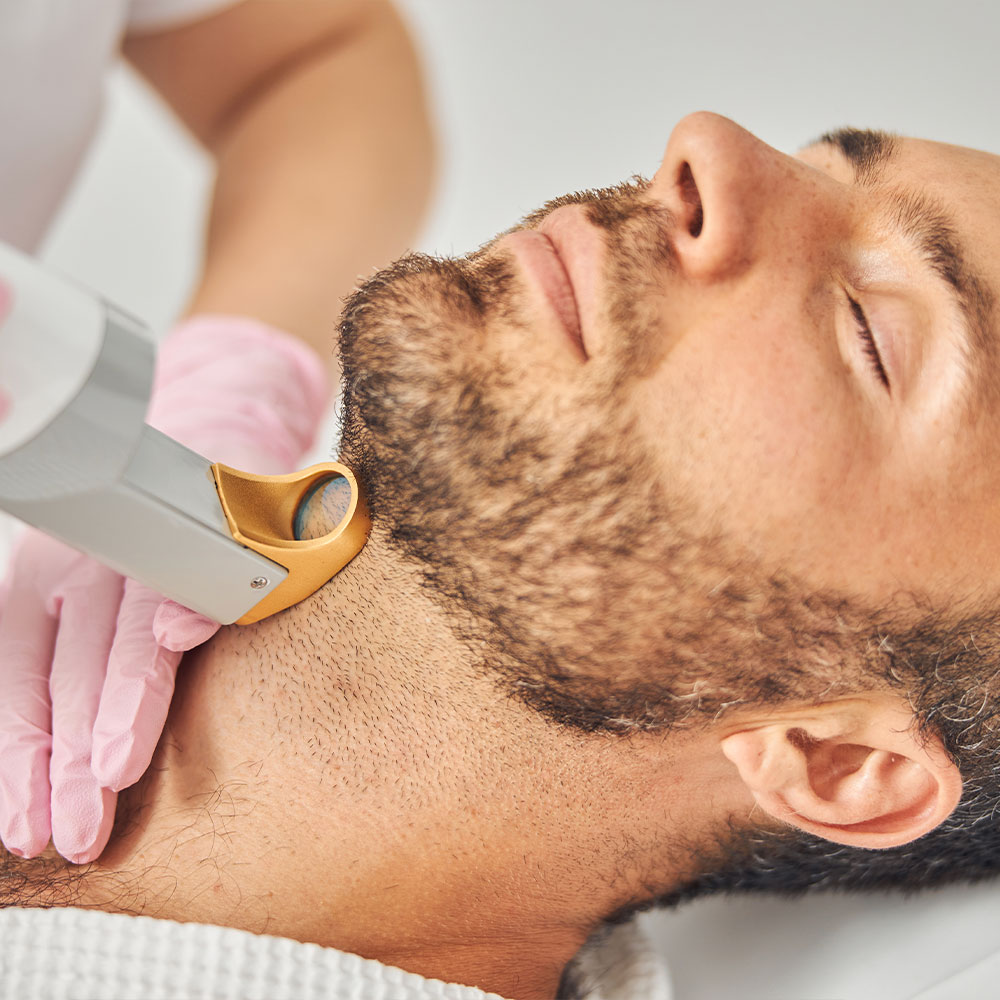
4. Laser treatments to the facial area
5. Thread-vein removal
The top treatment types resulting in formal claims (i.e., involving legal/indemnity exposure) include:
1. Botox
2. Laser hair removal
3. IPL
4. VASER liposuction
5. HIFU
The average cost per claim (including defence cost spend and indemnity spend, but excluding any fixed fees applicable) is around £15,955.47.
The following anonymised case is shared by an existing customer of Cosmetic Insure, who has agreed for his experience to be used for educational purposes to help other practitioners reduce risk.
Case Study: When Goodwill Isn’t Enough – The Cost of Missing Consent
In aesthetic practice, risk doesn’t always come from complex treatments or inexperienced hands. Sometimes, it comes from a moment of goodwill.
The Practitioner
The practitioner involved was highly experienced, with over 20 years in aesthetic medicine and more than 15 years in hair restoration surgery. His clinic was CQC registered, well governed, and operated with established protocols. Consent, documentation and record-keeping were normally robust.
This was not a clinic cutting corners as standard.
The Patient
The patient was relatively new, having attended the clinic for around two months. She had already undergone botulinum toxin and dermal filler treatments without complication and returned for a routine review and top-up appointment.
Nothing about the appointment suggested heightened risk.
The Moment That Changed the Case
As the consultation was coming to an end, the patient mentioned an additional concern: hair thinning at the side of her scalp.
The practitioner examined the area and identified signs consistent with alopecia. Treatment options were discussed, including intralesional steroid injections. Risks were explained verbally – including redness, swelling and the possibility of adrenal suppression – and expectations were managed carefully. The practitioner was clear: improvement was possible, but perfection could not be promised.
Wanting to help, and not to let the patient down, the practitioner offered the treatment there and then – as a complimentary gesture, with no financial benefit.
Verbal consent was obtained. Written consent was not.
It was a genuine, human judgement call made under time pressure – and one that would later define the entire claim.
The Complication
Approximately one week later, the patient contacted the clinic to say she had been admitted to hospital with adrenal suppression.
She explained that she was calling to make the practitioner aware, as she felt it could potentially happen to other patients. While the dosage administered followed recognised clinical guidance, adrenal suppression is not strictly dose-dependent and can vary based on individual sensitivity. Certain patient groups, including females aged 35–55, are known to be at higher baseline risk.
Clinically, the situation was nuanced. Legally, it was about to become very simple.
The Claim
The patient later alleged that the steroid dose was excessive. Medical records were requested, followed by solicitor involvement.
Despite appropriate clinical practice and thorough medical notes, one critical piece of evidence was missing: documented written consent for the steroid injections.
That absence significantly weakened the practitioner’s defence.
The claim progressed not on the basis of negligent treatment, but on a failure of process.
The Outcome
The claim is now expected to settle in the patient’s favour, with anticipated damages of around £30,000.
The deciding factor was not dose, technique or intent – but documentation.
The Impact
Operationally, the clinic remained compliant and well run. Emotionally, the impact was substantial. The treatment had been offered in good faith, without charge, and with the intention of helping the patient.
The experience reinforced a hard but valuable lesson:
Good intentions do not replace written consent.
Key Lessons for Practitioners
- Verbal consent alone offers very limited protection
- Complimentary treatments must be treated as full professional services
- Time pressure does not mitigate legal responsibility
- Many claims succeed due to process failures, not clinical error
Why This Case Matters
This case is not unusual – and that’s precisely why it matters.
Most claims we see do not involve reckless practice or inexperienced clinicians. They arise from small, human decisions made under pressure, where one step in the process is unintentionally missed.
Regulatory and industry risk factors
In 2025, we have seen the regulatory environment start to tighten. For example the announcement of a licensing regime – with more explicit oversight of who may perform certain treatments and in what environment. Clinics operating without clear regulatory compliance or with weak protocols risk being exposed if things go wrong.
- Unregulated or under-regulated providers remain a risk. The BCAM report suggests there may be as many as three unregulated providers for every regulated one
- Digital consent and documentation are becoming more of a focus
Misconceptions about the Claims Process
Advice from Lizzie Etcell, New Business Manager at Cosmetic Insure, highlights two recurring misconceptions:
“We only need to notify if it becomes a formal claim”
A common misunderstanding is that you only have to tell the insurer when a patient has issued a solicitor’s letter or formally initiated a claim. In fact, most policies (including those we arrange) require notification as soon as you become aware of a complaint or a circumstance that could give rise to a claim. Early notification enables the insurer/claims handlers to advise, intervene and mitigate.
“If we notify early our premium will automatically increase”
Practitioners often worry that simply notifying a complaint will penalise them at renewal through a premium hike. While every case is different, insurers generally prefer to be aware early so they can help manage the risk, reducing the chance of a large payout that might impact premiums. In short: early transparency is more likely to reduce long-term cost than avoidance or delay.
What Happens Once You Notify Us of a Claim?
When you (the insured practitioner or clinic) inform Cosmetic Insure of a potential issue, we take the following steps:
1. We open a claims file and notify the relevant insurer or claims department as per our arrangement.
2. Depending on the insurer’s process, they may respond directly to us or to you. Our role is to ensure the claim is registered correctly and that initial information is passed on efficiently.
3. We act as your first point of contact – helping to gather details, clarify what is required, and guide you through the process.
4. The insurer then begins their investigation, defence or settlement process. We remain available to assist with any queries, facilitate communication, and help ensure that you meet policy requirements and deadlines.
How We Liaise with Insurer and Support You Throughout the Process
We remain involved from start to finish by:
- Offering a calm, supportive first point of contact
- Helping compile key documents and information
- Liaising with insurers if communication stalls
- Clarifying policy requirements
- Guiding you to avoid admissions, speculative comments or missteps
- Ensuring deadlines, documentation and compliance are fully met
Communication Touchpoints: What to Expect
- Initial notification: You contact us (Cosmetic Insure) reporting a complaint, claim or circumstantial event.
- Acknowledgement: We acknowledge the report, record it, pass to the insurer or claims team.
- Insurer engagement: The insurer’s claims handler may contact you directly, request documentation or an initial response.
- Ongoing liaison: Either we or the insurer keep you updated on next steps, queries, revised timelines. If the insurer struggles to reach you (for example, if you’re travelling or operating remotely) we may step in to facilitate.
- Resolution: The claim might be closed without payment (e.g., if dismissed or mediated), or may proceed to settlement/defence costs. At each step we remain available to assist.
Top Risk Mitigations for 2026 and Beyond
Based on what we’ve seen in 2025, here are practical steps for aesthetic clinics and practitioners to reduce their risk of claims:
- Always complete a fresh consent for each treatment – even for repeat patients or friends. Treat each episode as a discrete event.
- Ensure your medical history and risk-assessment questions are detailed and appropriate for the specific treatment. Update any previous forms if the patient’s circumstances have changed.
- Document patient expectations clearly – what the treatment can realistically achieve, downtime, potential side-effects, limitations.
- Implement a prompt-notification protocol – if a patient expresses dissatisfaction or requests complimentary re-treatment, escalate internally and notify your broker/insurer without delay.
- Maintain strong record-keeping – including before & after photos (where applicable), treatment notes, communications (texts, emails), consent forms, any follow-up interactions.
- Use digital systems where possible – time-stamped forms, version control, audit trails.
- Review your policy conditions annually – check what your insurer expects in terms of notification, documentation and covered treatments. Ensure you’re operating within that scope.
- Screen patients effectively – identify red flags (unrealistic expectations, body-dysmorphic tendencies, prior multiple treatments, complex medical history) and ensure suitability before proceeding.
- Stay abreast of regulation – with licensing and regulatory frameworks evolving, ensure your premises, workforce and clinical governance meet forthcoming standards.
- Train your team – consent, documentation, patient communication and complaint management should be embedded in your clinic’s culture, not left to chance.
Key Takeaways for Practitioners
In the dynamic world of aesthetic practice in 2025, prevention remains far better than cure. While no practitioner can eliminate all risk, those who put robust protocols in place around consent, documentation, communication and early notification will significantly reduce their exposure – helping protect their clients, their reputation and their business.
At Cosmetic Insure we continue to support clinics and practitioners through this journey, helping navigate the claims landscape and embed best-practice risk-management. If you’re reviewing your processes for the coming year, consider the insights above your foundation for a more resilient practice.
For further support, or to review how your documentation, consent forms or notification protocols stack up, please feel free to reach out. Contact Cosmetic Insure


Share This Story, Choose Your Platform!



Cosmetic Insure Disclaimer
All the information provided in our Cosmetic Insure Treatment Guides and blog articles serves as a valuable reference and informational resource. Our intention is to offer insights that assist you in making informed choices when exploring the extensive array of non-surgical aesthetic treatments available.
Please note that this information does not constitute medical advice. Any reliance you place on the content found within the Cosmetic Insure Treatment Guides, Cosmetic Insure blog articles, or on any part of cosmeticinsure.com is done so entirely at your own discretion.
Prior to considering any non-surgical cosmetic treatment mentioned anywhere on cosmeticinsure.com, we strongly recommend that you engage in thorough consultation with a duly qualified and accredited practitioner who possesses the proper training and comprehensive insurance coverage for the specific treatment you are interested in. Neither the author of the guides or blog articles, nor the practitioner who has verified these guides, nor Cosmetic Insure, can be held responsible or liable for any loss or claims resulting from the use or misuse of cosmeticinsure.com’s content. Your safety and well-being are our utmost concern.