EDUCATION
Aesthetics 2026: Regeneration, Regulation, and Realism
Industry Insights in Conversation with Mr Ahmed Latif, Fellow of the Royal College of Surgeons of England (FRCS), Fellow of the European Board of Surgery (FEBS), Fellow of the Higher Education Academy (FHEA) and Medical Director of the British Aesthetic Academy.
As the aesthetics sector moves towards tighter clinical standards and a more regulated future, understanding what lies ahead has never been more important. To understand how these shifts will influence aesthetic practitioners, clinics and patients, Cosmetic Insure interviewed Dr Ahmed Latif, an oncoplastic surgeon and Medical Director of the British Aesthetic Academy, whose perspective blends surgical precision, regulatory insight and education-led foresight.
His perspective reveals an industry maturing rapidly – embracing regeneration, embedding accountability, and responding to patients who increasingly expect transparency and clinical credibility.
A Healthcare-Led Future
The most defining change heading into 2026 is the movement towards a healthcare-led model for injectables and energy-based treatments. Updated NMC guidance, mandating face-to-face prescriber consultations for prescription-only medicines used in elective cosmetic procedures, signals a broader cultural reorientation.
Dr Ahmed explains that:
“This shift reinforces that injectables are medical interventions, not beauty services. Strong governance, proper assessment and clinical responsibility are becoming non-negotiable.”
The anticipated national licensing scheme will build on this foundation. Though implementation may take several years, its direction is already influencing practice ownership, training expectations and clinical pathways.
Regulation will not tighten overnight, but the direction is unmistakable: higher-risk procedures will demand stronger qualifications, clearer documentation, and accountability aligned with healthcare standards.
Technology Meets Medical Judgement
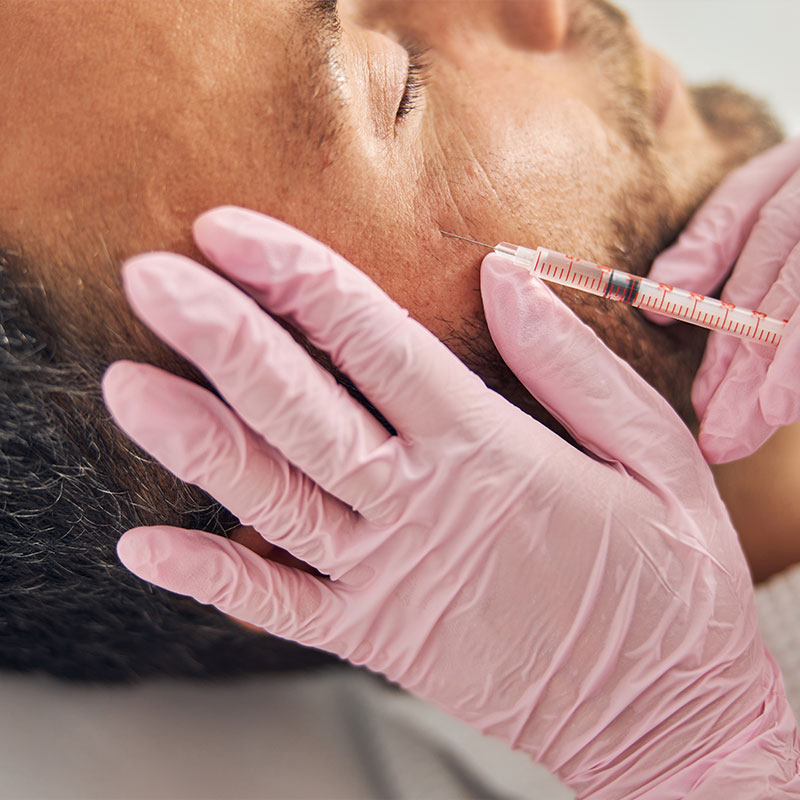
Injectables remain core to aesthetic medicine, but 2026 will further integrate technology into assessment and planning. Combination protocols will dominate: anti-wrinkle injections and dermal fillers complemented by regenerative skin treatments and energy-based tightening devices.
Dr Ahmed notes the growing potential of digital tools:
“In oncoplastic breast surgery, we already use predictive imaging to model how reconstruction or implants may look – and I’d love to see a similar approach in aesthetics, where AI can simulate improvements in contour, symmetry or skin quality. AI won’t replace clinical judgement, but it will enhance it. Predictive modelling could highlight patients at higher risk of complications, helping clinicians plan more safely. ”
From facial mapping to risk-scoring algorithms and remote monitoring, digital support systems are becoming part of the clinical armoury – particularly valuable for early complication detection and post-treatment reassurance.
Yet technology cannot stand alone:
“AI can’t interpret emotions, motivations or what ‘natural’ means to a patient. Ethical decision-making remains firmly human. It also can’t replace the hands-on anatomical judgement needed during injectable treatments.”

The Rise of Regenerative Aesthetics
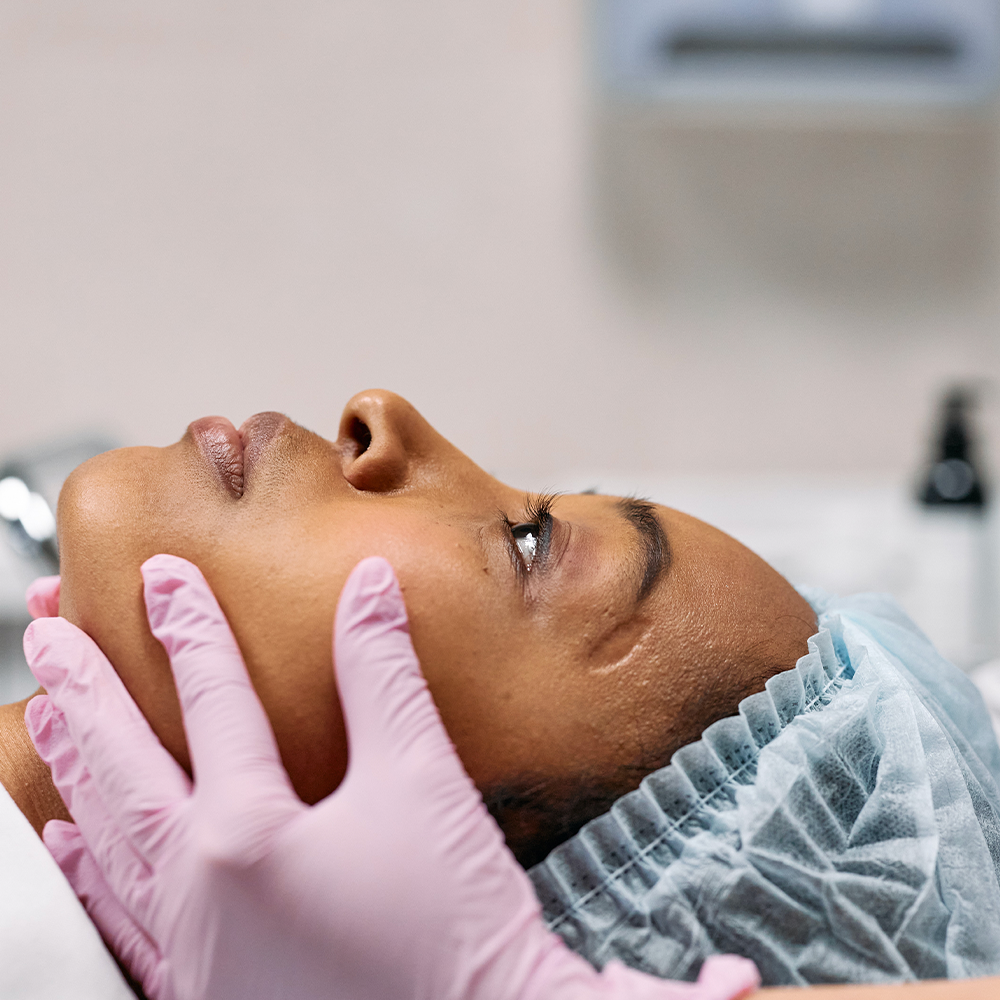
If 2025 introduced the concept to the mainstream, 2026 will be the year regenerative aesthetics finds practical footing.
Polynucleotides, PDRNs, advanced skin boosters, collagen-stimulating injectables and microneedling protocols are no longer emerging trends – they are becoming foundational offerings.
“We’re shifting from cosmetic enhancement towards tissue restoration. Results become more biological, not just mechanical.”
The evolution is gradual rather than dramatic, but its significance is substantial: practitioners who adapt early will align themselves with longer-lasting outcomes and increasingly sophisticated patient expectations.
Patients Want Subtlety – and Safety
The aesthetic patient of 2026 is discerning, well-informed, and increasingly driven by safety, transparency and natural refinement.
“Patients want to look well, not different. The ‘natural tweakment’ trend isn’t going anywhere.”
This behavioural shift aligns with a broader consumer expectation: credibility now sits at the heart of aesthetic decision-making. Patients are scrutinising credentials, governance, complication policies and insurance more than ever before.
This reality places equally high expectations on practitioners:
Training must evolve, with greater emphasis on anatomy, complications, governance and ethical patient selection
Clinics must demonstrate robust standards, not merely claim them
Communication must be clear, transparent and responsible, especially across social media
For educators, this shift is welcome. The British Aesthetic Academy, for example, is expanding its surgeon-led curriculum to include a new regenerative skin-focused pathway, preparing practitioners for emerging standards and patient priorities.
The Business Landscape: Value, Longevity and Evidence
Despite economic pressures, the aesthetics sector remains resilient. Patients may be more selective, but they are increasingly willing to invest where results are evidence-based and long lasting.
“High-value regenerative treatments will continue to grow,” Dr Ahmed Latif notes. “Patients want longevity and quality, not short-term fixes.”
Clinics entering or repositioning in the market will need to demonstrate:
- Clinical credibility
- Evidence-based treatment pathways
- Strong patient education and transparent communication
These foundations are not simply best practice – they are fast becoming commercial differentiators.
Regulation: A Defining Theme for 2026
While formal licensing may take several years to implement, early regulatory shifts are already reshaping the industry.
Mandatory face-to-face prescribing is a clear early example. Looking ahead, oversight of products, training standards, and premises requirements is expected to increase.
Dr Ahmed Latif cautions that regulation must be carefully balanced:
“We must avoid unintentionally pushing practitioners into unregulated spaces. Accountability and structured pathways are essential – not exclusion.”
He sees potential for a unified regulatory body, mirroring the GMC model, to ensure fair, consistent oversight across all pathways into aesthetics.
What Comes Next: A Defining Industry Moment
The Royal Society of Medicine’s recognition of aesthetic medicine as a specialty is a milestone – but its practical implications are still evolving.
If Dr Ahmed had to predict the defining development of 2026?
“I believe we’ll see this recognition translate into formal, standardised regulation across the UK. Clear expectations for training, prescriber involvement and patient safety will finally position aesthetics where it belongs – as a regulated branch of healthcare.”
Cosmetic Insure’s Perspective
As practitioners navigate a fast-evolving landscape, the demands on clinics will continue to grow: stronger governance, clear prescriber involvement, higher documentation standards, and a shift towards regenerative, combination-led treatment plans.
From our vantage point, 2026 represents an opportunity for the profession to strengthen its integrity, raise its collective standards and align more closely with the frameworks familiar to traditional medical fields.
At Cosmetic Insure, our focus remains consistent:
- Supporting practitioners with specialist insurance aligned to regulatory expectations
- Helping clinics build robust risk management frameworks
- Providing guidance, clarity and sector-specific insight as standards evolve
- Championing safer, accountable, medically grounded practice across the UK and Ireland


Share This Story, Choose Your Platform!



Cosmetic Insure Disclaimer
All the information provided in our Cosmetic Insure Treatment Guides and blog articles serves as a valuable reference and informational resource. Our intention is to offer insights that assist you in making informed choices when exploring the extensive array of non-surgical aesthetic treatments available.
Please note that this information does not constitute medical advice. Any reliance you place on the content found within the Cosmetic Insure Treatment Guides, Cosmetic Insure blog articles, or on any part of cosmeticinsure.com is done so entirely at your own discretion.
Prior to considering any non-surgical cosmetic treatment mentioned anywhere on cosmeticinsure.com, we strongly recommend that you engage in thorough consultation with a duly qualified and accredited practitioner who possesses the proper training and comprehensive insurance coverage for the specific treatment you are interested in. Neither the author of the guides or blog articles, nor the practitioner who has verified these guides, nor Cosmetic Insure, can be held responsible or liable for any loss or claims resulting from the use or misuse of cosmeticinsure.com’s content. Your safety and well-being are our utmost concern.