EDUCATION
The Future of Aesthetic Practice: Insights from Dr Ahmed El Houssieny for Clinics and Practitioners in 2026
The aesthetics sector is evolving rapidly – but not always in the direction practitioners expect.
Behind the headlines about innovation, AI and next-generation devices lies a more important shift: a move towards slower, more ethical, more safety-driven practice.
To explore where aesthetic medicine is heading, we spoke with Dr Ahmed El Houssieny, one of the leading aesthetic doctors, specialising in advanced injectables and laser procedures. Known for his clinical precision and measured approach, Dr Ahmed has witnessed first-hand how the industry has transformed over the past five years – and where he believes it is heading.


The Rise of Regenerative and “Less-Is-More” Aesthetics
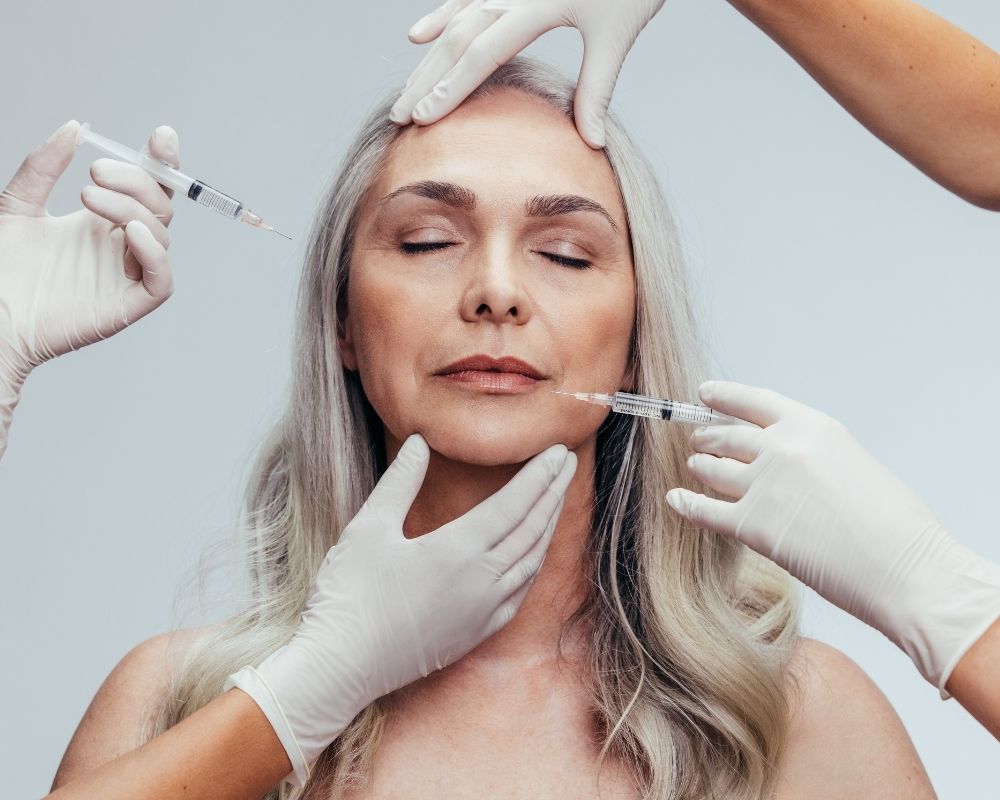
One of the most significant changes Dr Ahmed has observed is a shift in patient mindset.
“More people have become very aware of the different treatments available and are showing greater interest in regenerative options. As individuals look for more natural-looking results, rather than a frozen appearance, they tend to choose subtle, ‘less-is-more’ treatments.”
Patients are increasingly informed. They research treatments, compare practitioners and arrive at consultations with clearer expectations. Rather than dramatic alteration, many now seek refinement – healthier skin, softer lines, structural balance.
This has led to a growth in combination treatments. Small amounts of toxin, conservative filler volumes and energy-based devices are used together to create layered, natural results. Instead of relying on one modality, practitioners are adopting holistic treatment plans that support skin quality and facial harmony over time.
For clinics, this means consultations must evolve from transactional appointments into strategic treatment planning sessions. The emphasis is no longer “what can we inject today?” but “what is clinically appropriate over the long term?
Ethical Sourcing and Clinical Integrity
As treatment demand grows, so too does the volume of products and devices entering the market. Dr Ahmed is clear that ethical responsibility cannot be compromised.
“It is extremely important, especially as a healthcare professional, to source all products from reputable companies and to use well-established brands that demonstrate strong ethical standards in their approach to the industry, the science and their overall practices.”
In a highly scrutinised environment, product choice is no longer simply about cost or marketing claims. It reflects a clinic’s philosophy. Practitioners must be able to justify their choices not only to patients, but also in the event of an adverse outcome or regulatory review.
Ethical practice now encompasses traceability, documentation, evidence-based selection and transparent communication.
AI: Support Tool or Expectation Risk?
Artificial intelligence is increasingly present in aesthetic practice, particularly in documentation.
According to Dr Ahmed: “AI is very prominent now, and it certainly helps someone like me with patient notes. It allows me to summarise information clearly, especially after a consultation when I want to email the patient about what we’ve discussed.”
Used appropriately, AI can improve efficiency and communication clarity. However, Dr Ahmed anticipates future challenges as AI-driven image simulations become more widely accessible.
“In the future, patients may be able to upload their image into AI and request how they want to look, which could affect how we manage patient expectations.”
The risk is subtle but significant. If patients arrive with digitally altered images as a benchmark, practitioners must carefully manage what is realistic and achievable. AI may streamline workflows, but it will never replace clinical judgement or ethical boundaries.


Managing Expectations: Confidence Over Transformation
At the centre of Dr Ahmed’s philosophy is trust.
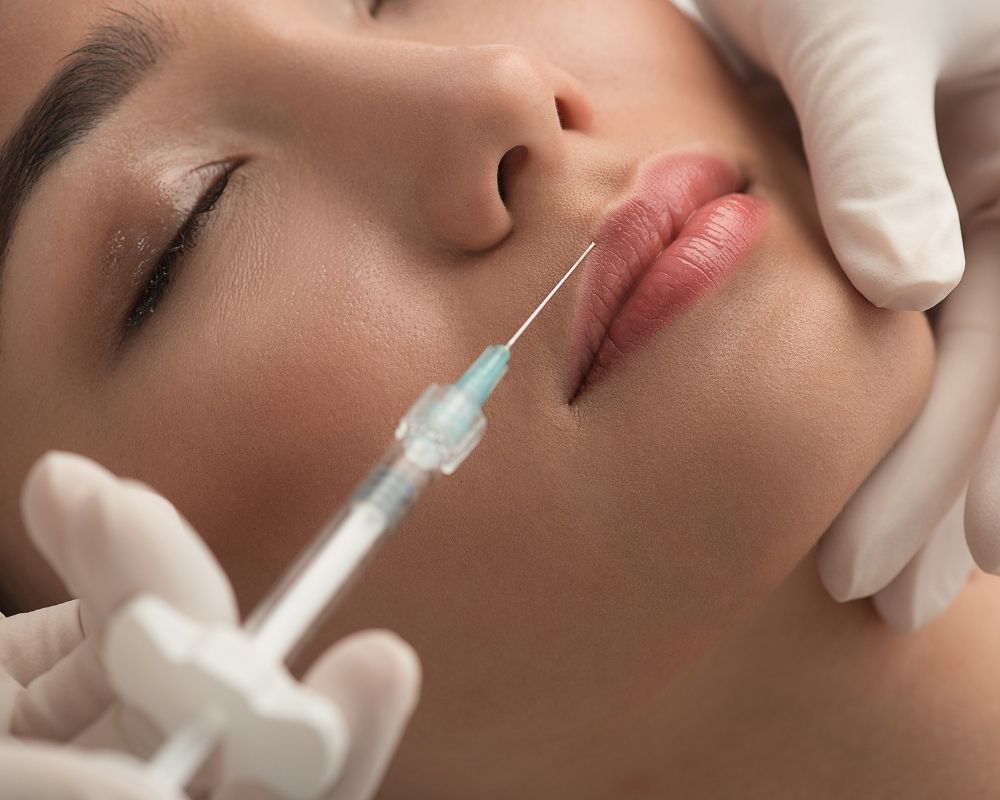
“It is very important to build trust and to understand their concerns, while also giving them my honest opinion on what is achievable and realistic. As a doctor, I am not here to change people’s faces – I am here to help them feel more confident in their appearance.”
This distinction is critical. When practitioners position themselves as facilitators of confidence rather than architects of transformation, treatment planning becomes safer and more sustainable.
Managing expectations is not about dampening enthusiasm – it is about protecting both patient wellbeing and practitioner credibility.
Training Pathways and the Complication Gap
Dr Ahmed entered aesthetics after training as an anaesthetist and exploring the specialty through shadowing and hands-on experience. That structured foundation shapes his view on education within the industry.
“Knowledge is power, and not to rush. Treat this as a career and avoid trying to complete too many courses at once.”
He is particularly concerned about the imbalance in some training pathways.
“Many courses are too quick: they focus heavily on the treatment itself but then only allocate the last hour to managing complications.”
Complication management should not be an afterthought. It should be central to training, competence assessment and ongoing professional development. A practitioner who understands anatomy but cannot confidently recognise and manage an adverse event is not fully prepared.
For clinics, this raises important governance considerations around supervision, protocols and escalation procedures.
Trends, Social Media and the Cooling-Off Principle
The influence of social media cannot be ignored. Viral procedures and aesthetic trends drive enquiry – sometimes faster than clinical evidence can keep up.
Dr Ahmed’s response is measured:
“Many patients come in because of trends they’ve seen on social media. However, for me, patient safety will always be the top priority.”
His approach includes implementing cooling-off periods before treatment.
“I make sure patients have a cooling-off period to make their decision instead of rushing into anything.”
This pause protects both patient autonomy and clinical standards. It reinforces informed consent and reduces the likelihood of impulsive decisions driven by short-lived trends.
Laser in 2026: Technological Progress, Persistent Risk
Laser practice continues to advance significantly. Devices are more refined, more targeted and designed with enhanced safety mechanisms compared with earlier fully ablative technologies.
“The technology is improving all the time, particularly in terms of the safety aspects and what we can achieve.”
Yet risk has not disappeared – particularly in relation to pigmentation.
“Many of the complications I’ve heard about are related to pigmentation… especially for individuals with darker skin.”
Dr Ahmed highlights three areas clinics must prioritise: understanding patient demographics, investing in appropriate devices for those demographics, and having the confidence to decline treatment when risk is too high.
He also stresses realism in treatment planning.
“If a treatment requires six sessions, don’t cut corners by trying to complete it in three.”
Clinical integrity means resisting commercial pressure to accelerate outcomes.
Consent: The Most Overlooked Safeguard
If there is one area Dr Ahmed believes clinics must strengthen in 2026, it is consent.
“You must explain the consent process in simple terms and make it clear that side effects can occur, while also offering patients all available options… including doing nothing – which is always an option.”
Consent is not a signature – it is a process. Patients must understand risks, alternatives and limitations. Offering “no treatment” as a valid option reinforces ethical practice and reduces the perception of pressure.

Why These Principles Directly Affect Insurance and Claims
From an insurance perspective, the themes Dr Ahmed highlights mirror the most common drivers behind aesthetic negligence claims.
The majority of claims do not arise from rare, unavoidable complications. They stem from:
- Inadequate consent
- Poor documentation
- Unrealistic expectations
- Practitioners operating outside their competence
- Insufficient complication management
Clinics that embed regenerative, conservative treatment planning, cooling-off periods, robust consent processes and formal complication protocols are not only delivering better patient care – they are also significantly reducing their exposure to claims.
Insurers increasingly assess risk based on governance, training standards and clinical processes, not just the list of treatments offered. Practices that can evidence strong protocols, ethical product sourcing and ongoing education are viewed more favourably and are better positioned to secure sustainable cover.
In simple terms: good medicine is good risk management.
A Slower, Stronger Future
Across every theme – regenerative treatments, AI, training standards, laser safety, consent and insurance defensibility – one principle emerges consistently: sustainable aesthetic practice is built on responsibility.
The clinics that will thrive in 2026 and beyond will not necessarily be the ones adopting every new trend first. They will be the ones who slow down when necessary, prioritise patient safety, invest in proper training and remain confident in saying no.
As Dr Ahmed concludes:
“If you keep patient safety at the centre of everything you do, you will have a very fulfilling career.”


Share This Story, Choose Your Platform!


Cosmetic Insure Disclaimer
All the information provided in our Cosmetic Insure Treatment Guides and blog articles serves as a valuable reference and informational resource. Our intention is to offer insights that assist you in making informed choices when exploring the extensive array of non-surgical aesthetic treatments available.
Please note that this information does not constitute medical advice. Any reliance you place on the content found within the Cosmetic Insure Treatment Guides, Cosmetic Insure blog articles, or on any part of cosmeticinsure.com is done so entirely at your own discretion.
Prior to considering any non-surgical cosmetic treatment mentioned anywhere on cosmeticinsure.com, we strongly recommend that you engage in thorough consultation with a duly qualified and accredited practitioner who possesses the proper training and comprehensive insurance coverage for the specific treatment you are interested in. Neither the author of the guides or blog articles, nor the practitioner who has verified these guides, nor Cosmetic Insure, can be held responsible or liable for any loss or claims resulting from the use or misuse of cosmeticinsure.com’s content. Your safety and well-being are our utmost concern.